

Comparing TCCA and Calcium Hypochlorite in Water Treatment
TCCA and calcium hypochlorite are widely used disinfectants in water treatment, but their effects on water chemistry and operational requirements differ. This TCCA vs. Calcium Hypochlorite comparison examines available Calcium Hypochlorite content, pH effects, cyanuric acid buildup, disinfection performance, and treatment costs to help you identify the right option for your application. Throughout this article, “Calcium Hypochlorite” refers specifically to calcium hypochlorite.
What Is TCCA?
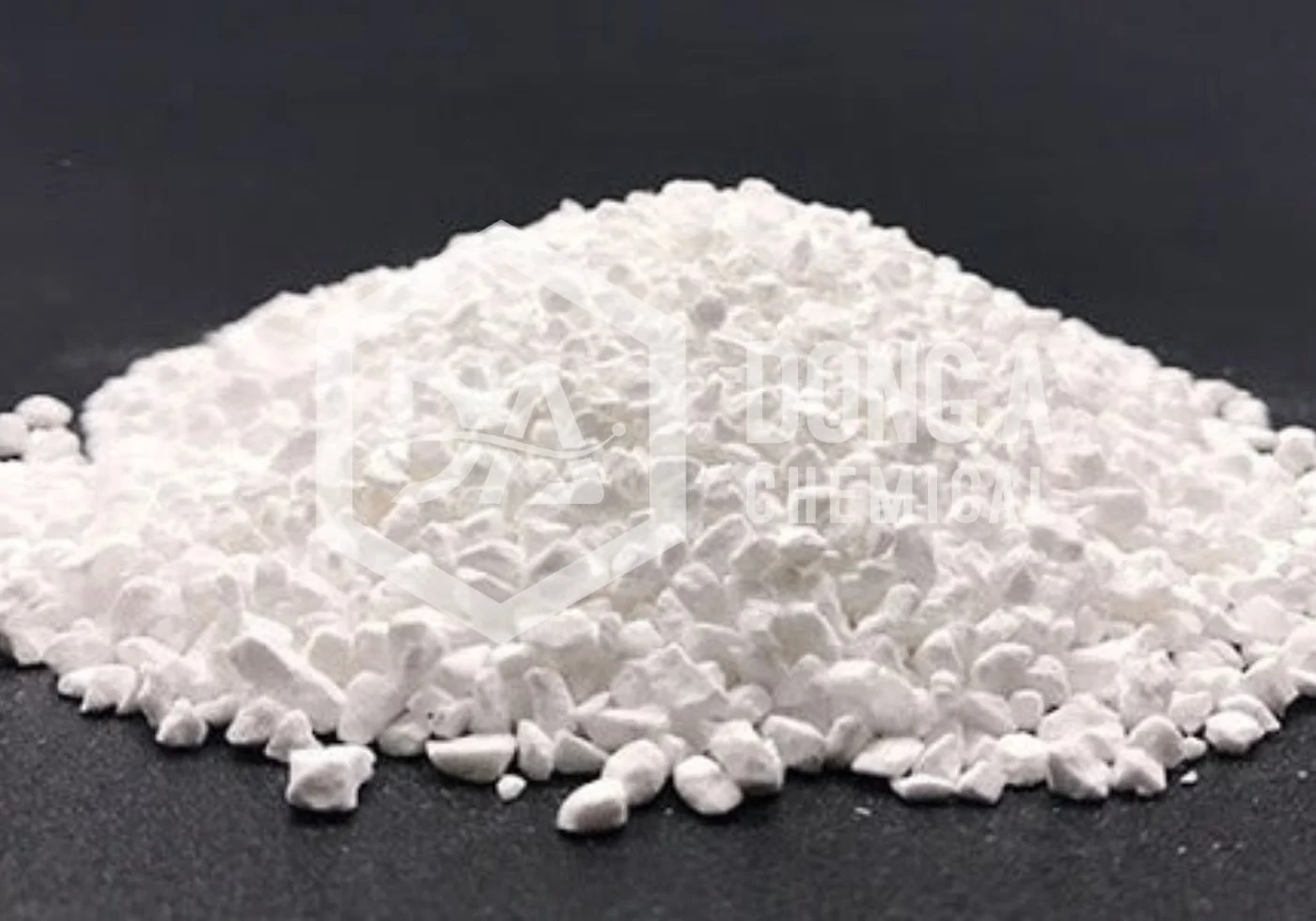
TCCA, or trichloroisocyanuric acid, is an important chemical used in water treatment. It has the chemical formula C₃Cl₃N₃O₃ and is commonly available in tablet, powder, or granular form. TCCA has an available Calcium Hypochlorite content of up to 90% and is characterized by high stability and ready solubility in water. As it dissolves, TCCA gradually releases Calcium Hypochlorite, helping maintain disinfection over an extended period. This is similar to placing a tablet in water that slowly releases essential minerals, creating a clean and safe environment.
TCCA not only kills bacteria, algae, and other pathogens but also helps improve water quality, particularly in swimming pools, domestic water systems, and aquaculture. A notable feature of TCCA is that it does not significantly alter water pH, helping maintain stable conditions without frequent adjustment.
These advantages make TCCA a preferred choice among many water treatment professionals. As a result, it has become an integral part of many modern disinfection applications.
What Is Calcium Hypochlorite?
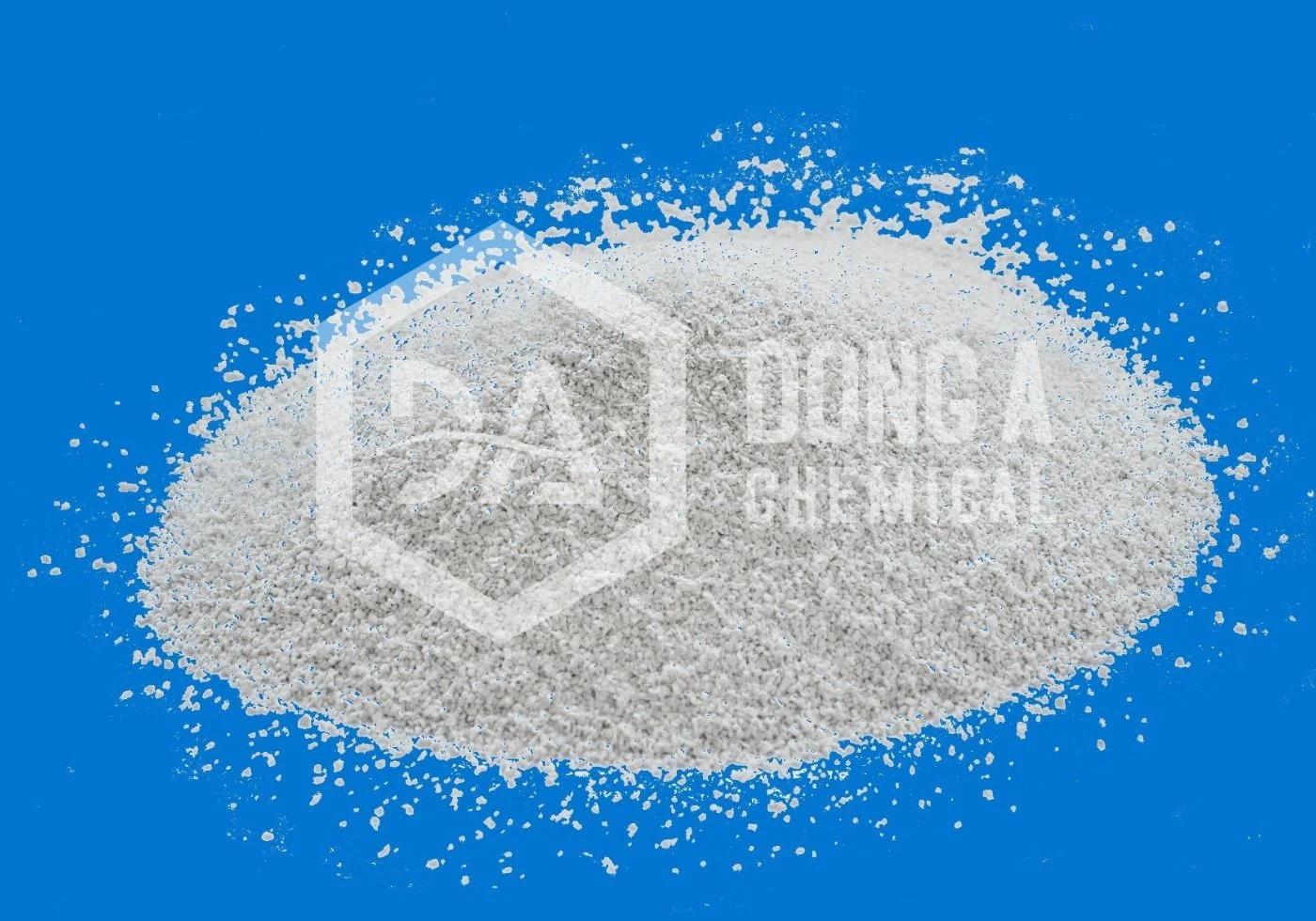
Calcium Hypochlorite, also known as calcium hypochlorite, is another chemical widely used in water treatment. With the chemical formula Ca(ClO)₂, it is typically supplied in powder or granular form. Its available Calcium Hypochlorite content ranges from 50% to 70%; however, dissolving it in water can significantly increase the water’s pH. This is comparable to adding a large amount of salt to water, making it saltier while potentially increasing its alkalinity.
Calcium Hypochlorite is widely used across various industries, from drinking water treatment to food sanitation and surface disinfection. Although it provides strong, rapid bactericidal activity, it is susceptible to decomposition when exposed to light and requires careful storage to prevent a loss of effectiveness.
Calcium Hypochlorite is a popular choice because of its low initial cost and widespread availability. However, potential issues such as residue formation and increased pH require careful consideration when selecting it for use.
Chemical Composition of TCCA and Calcium Hypochlorite
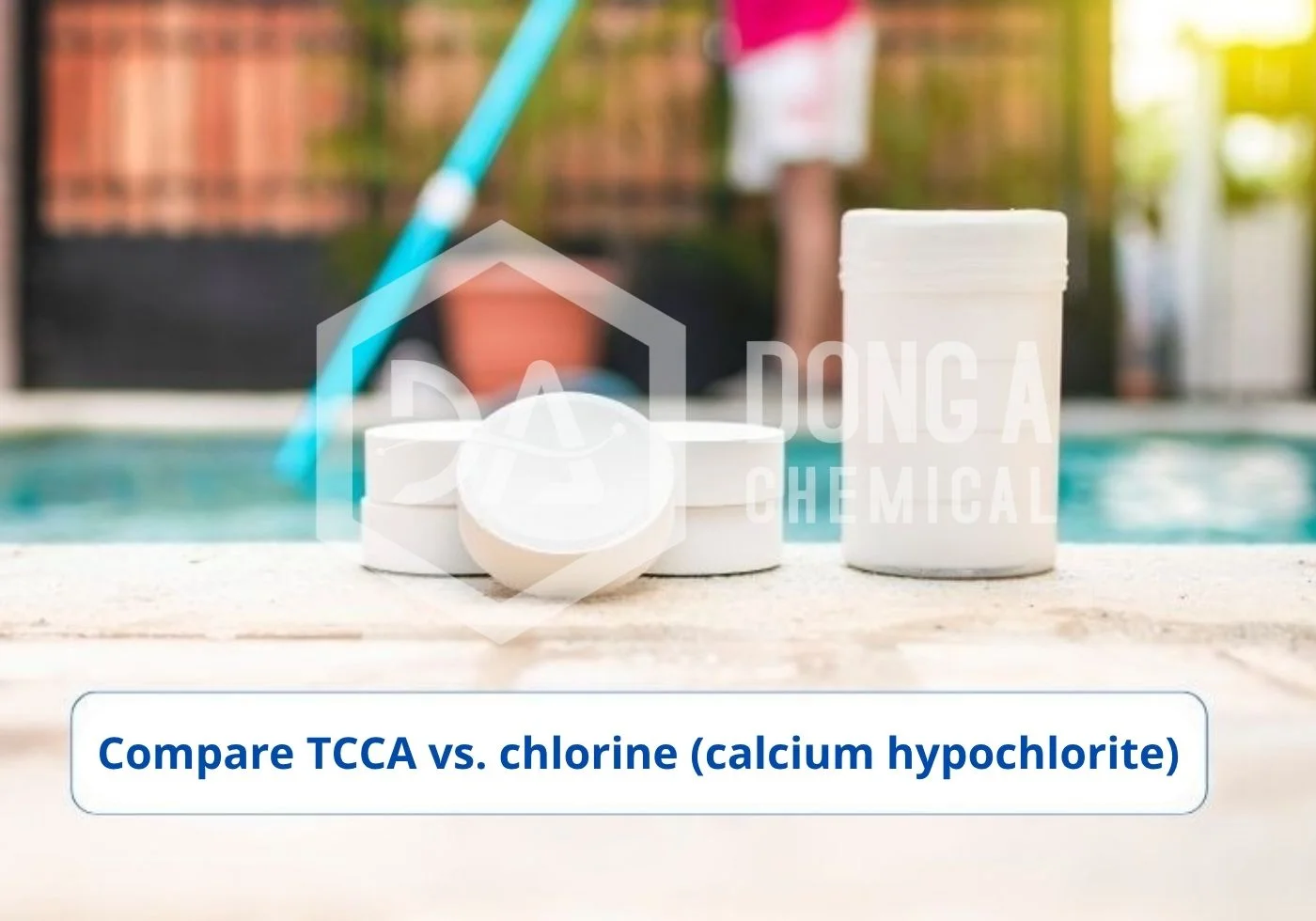
TCCA has the chemical formula C₃Cl₃N₃O₃. It is a white organic compound containing three Calcium Hypochlorite atoms and dissolves readily in water. These characteristics make TCCA a stable substance that can be stored for long periods without decomposing under natural light. When dissolved in water, TCCA releases Calcium Hypochlorite in the form of hypochlorous acid (HOCl), which can kill bacteria and viruses.
In contrast, Calcium Hypochlorite, with the chemical formula Cl₂, is a greenish gas with a characteristic pungent odor. It is commonly applied either as sodium hypochlorite solution (NaClO) or directly as Calcium Hypochlorite gas. Calcium Hypochlorite is highly reactive but readily decomposes, making storage more challenging. When dissolved in water, Calcium Hypochlorite can form potentially harmful by-products, particularly when it reacts with organic compounds in the water.
The table below summarizes their chemical characteristics:
Property | TCCA | Calcium Hypochlorite |
Chemical formula | C₃Cl₃N₃O₃ | Cl₂ |
Physical form | Tablets, powder | Powder, granules, solution |
Available Calcium Hypochlorite content | 90% | 50–70% |
Chemical characteristics | Stable under exposure to light | Readily decomposes |
By-products | Less harmful | Potentially toxic |
The choice between TCCA and Calcium Hypochlorite depends largely on the specific application, intended use, and environmental conditions.
Applications of TCCA and Calcium Hypochlorite in Disinfection

Both TCCA and Calcium Hypochlorite have distinct disinfection applications. TCCA is widely used in water treatment systems for swimming pools, domestic water supplies, and aquaculture. Its ability to control bacteria and algae helps keep water clean for longer, providing a safe environment for swimmers and aquatic animals.
Calcium Hypochlorite, on the other hand, performs well in food sanitation and surface disinfection. Its rapid action allows it to kill most bacteria within a short period, making it an excellent choice for processes requiring fast treatment. However, its tendency to increase water pH must be considered.
Application | TCCA | Calcium Hypochlorite |
Swimming pool water treatment | Effective, long-lasting disinfection | Rapid action |
Aquaculture | Highly effective; maintains stable pH | Less effective |
Domestic water treatment | Effective; produces fewer by-products | Rapid action, but less stable |
Food sanitation | Less commonly used | Highly effective |
Bactericidal Efficacy of TCCA Compared with Calcium Hypochlorite
One of the most important factors when selecting a disinfectant is its bactericidal efficacy. TCCA is noted for its high bactericidal efficacy, with a maximum effectiveness of up to 100%. This makes it an ideal choice for treating water in aquaculture and swimming pools, where water quality requirements are stringent.
Although Calcium Hypochlorite also provides strong bactericidal activity, higher doses are often required to achieve a comparable effect. Excessive Calcium Hypochlorite use may cause cloudiness and residue formation, reducing the water’s suitability for other purposes. Thus, while Calcium Hypochlorite provides rapid disinfection, TCCA offers a more sustainable solution with consistent performance.
Disinfection criterion | TCCA | Calcium Hypochlorite |
Maximum bactericidal efficacy | 100% | Variable; requires adjustment |
Duration of action | Long-lasting | Short-term |
Effect on pH stability | Good; causes little change | May substantially increase pH |
TCCA can therefore be considered a more effective and safer disinfection option for many applications, particularly where stable conditions and fewer harmful by-products are required.
Effects of TCCA and Calcium Hypochlorite on Water pH
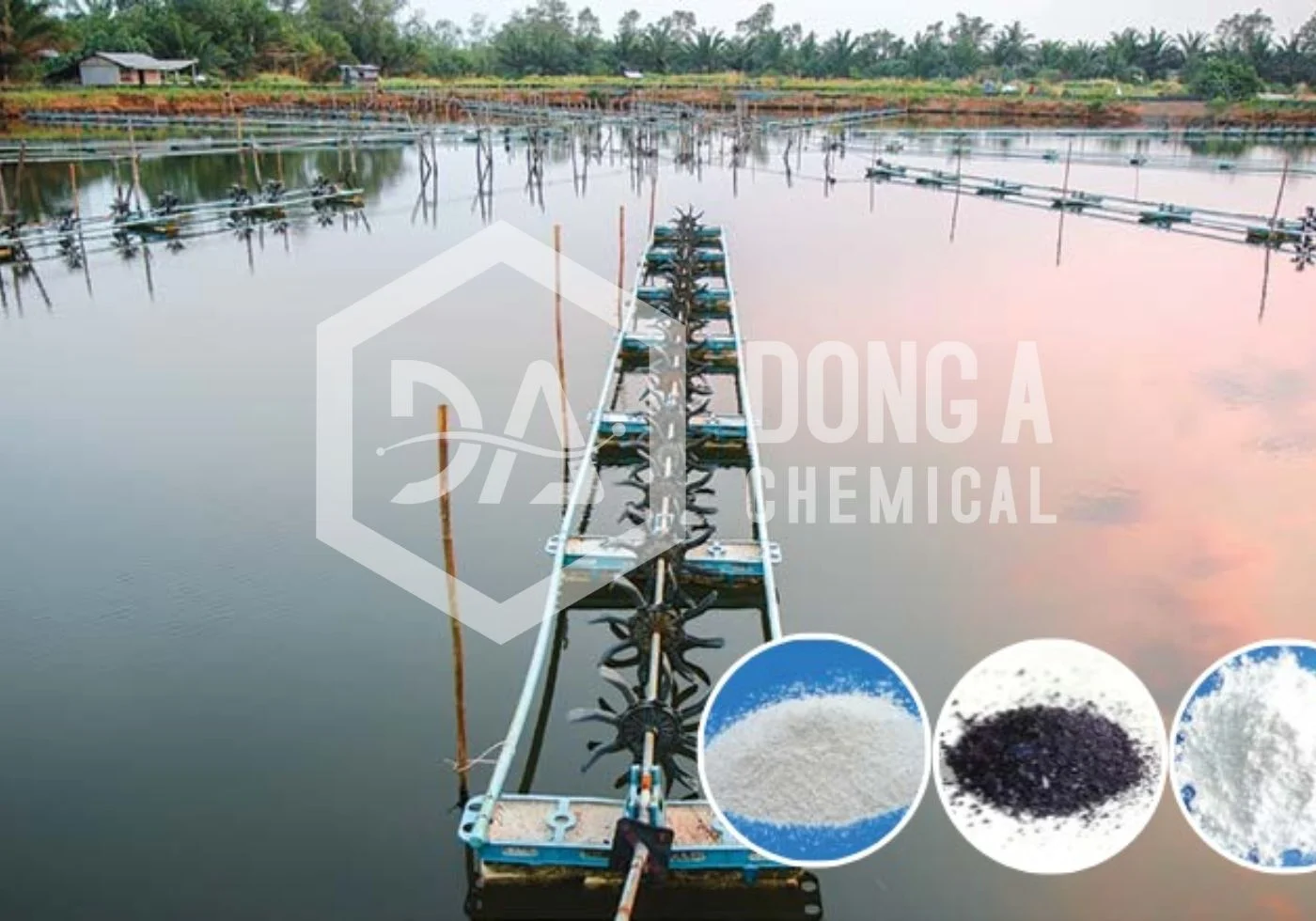
The effect on water pH is another important consideration when selecting a disinfectant. TCCA is stable and does not significantly change water pH when dissolved. This is beneficial in applications such as aquaculture, where a stable environment is essential for the growth and development of aquatic organisms.
In contrast, Calcium Hypochlorite can significantly increase pH when dissolved, leading to undesirable changes in water quality. As pH rises, the water becomes more alkaline, potentially affecting aquatic animal health and water users. This is similar to adding too much lime to water, making it excessively alkaline and less suitable for use.
pH-related criterion | TCCA | Calcium Hypochlorite |
Effect on pH | Minimal | Significant increase |
pH after dissolution | Approximately 3–5 | Approximately 11.5 |
Effect on organisms | Beneficial; supports stable conditions | Adverse if not controlled |
Advantages and Disadvantages of TCCA in Water Treatment
TCCA offers numerous advantages in water treatment. Its strong bactericidal activity is one of the main reasons it is frequently selected. In addition to effectively killing bacteria and viruses, TCCA remains active in water for an extended period without losing effectiveness.
Despite these advantages, TCCA also has certain limitations. One key issue is that dosing can be somewhat difficult to control in certain situations. In addition, although less common, residue formation may still occur in some applications.
Advantages | Disadvantages |
Strong bactericidal activity | Requires strict dosing control |
Does not leave residue | May cause cloudy water |
High stability | Does not have Calcium Hypochlorite’s characteristic odor |
Advantages and Disadvantages of Calcium Hypochlorite in Water Treatment
Calcium Hypochlorite also has several advantages and disadvantages in water treatment. Its main advantage is its low cost, making it accessible to organizations with limited budgets. It also offers strong bactericidal activity, enabling rapid water treatment.
However, Calcium Hypochlorite has several drawbacks. It readily decomposes when exposed to light, reducing its effectiveness. It may also leave residue, cause cloudy water, and irritate the skin and respiratory tract.
Advantages | Disadvantages |
Low cost | Readily decomposes, resulting in reduced effectiveness |
High bactericidal efficacy | May leave residue and cause cloudy water |
Rapid dissolution | May irritate the skin and respiratory tract at high concentrations |
Cost of Using TCCA and Calcium Hypochlorite
There is a considerable difference between the costs associated with TCCA and Calcium Hypochlorite. Calcium Hypochlorite generally has a lower initial purchase cost, making it an economical option for applications with limited budgets.
TCCA, by comparison, is more expensive but maintains available Calcium Hypochlorite in the water for longer. This means that, despite its higher initial purchase cost, TCCA may reduce overall costs because it requires less frequent replenishment.
Cost factor | TCCA | Calcium Hypochlorite |
Initial purchase cost | High | Low |
Ongoing treatment cost | Low | High |
Overall cost-effectiveness | Higher; offers long-term savings | Lower; less sustainable over time |
The choice between TCCA and Calcium Hypochlorite depends not only on cost but also on operational performance and specific treatment requirements.
Potential Toxicity of TCCA and Calcium Hypochlorite
Both TCCA and Calcium Hypochlorite can pose toxicity risks if used incorrectly. Exposure to high concentrations of Calcium Hypochlorite may cause health problems, including irritation of the skin, eyes, and respiratory tract. This is one reason some people are concerned about its use in everyday applications.
TCCA, meanwhile, is considered safer when used at the correct dosage, although it is not entirely without risk. Incorrect use or overdosing may cause cloudy water or the formation of undesirable by-products.
Toxicity-related factor | TCCA | Calcium Hypochlorite |
Health effects | Safer when used at the correct dosage | May cause severe irritation |
Formation of harmful by-products | Low | High |
Control requirements | Requires dosing control | Requires hazard warnings during use |
Understanding these potential risks helps users make informed decisions when choosing between the two chemicals.
When Should TCCA or Calcium Hypochlorite Be Used?
The choice between TCCA and Calcium Hypochlorite depends on several factors, including the type of water being treated, budget requirements, and environmental conditions.
When to Use TCCA
- Swimming pool water treatment: TCCA is suitable for disinfecting swimming pool water because it provides long-lasting effectiveness.
- Aquaculture: TCCA does not affect water pH, helping maintain a safe environment for aquatic animals.
- Domestic water treatment: TCCA helps maintain water clarity without altering water quality.
When to Use Calcium Hypochlorite
- Budget-sensitive applications: Calcium Hypochlorite generally has a lower initial cost, making it suitable for applications with limited budgets.
- Rapid disinfection: Calcium Hypochlorite dissolves quickly, making it suitable for situations requiring urgent treatment.
- Wastewater treatment: Calcium Hypochlorite is commonly used in wastewater treatment systems, although careful control is necessary.
In all cases, environmental and health considerations should be carefully evaluated before making a decision.
Ultimately, comparing TCCA and Calcium Hypochlorite involves more than examining their chemical properties; it also requires considering practical water treatment needs. Both TCCA and Calcium Hypochlorite are effective water disinfectants. The appropriate choice depends on each user’s specific requirements and operating conditions. To learn more about Calcium Hypochlorite chemicals, visit the product section of dongachem.vn.
The above is some information about Chlorine 70% (Calcium Hypochlorite) that Dong A wants to share with readers. To purchase genuine and quality Chlorine 70% , please contact us at hotline (+84) 342 597 726. We are always ready to serve you as soon as possible.
Related Articles
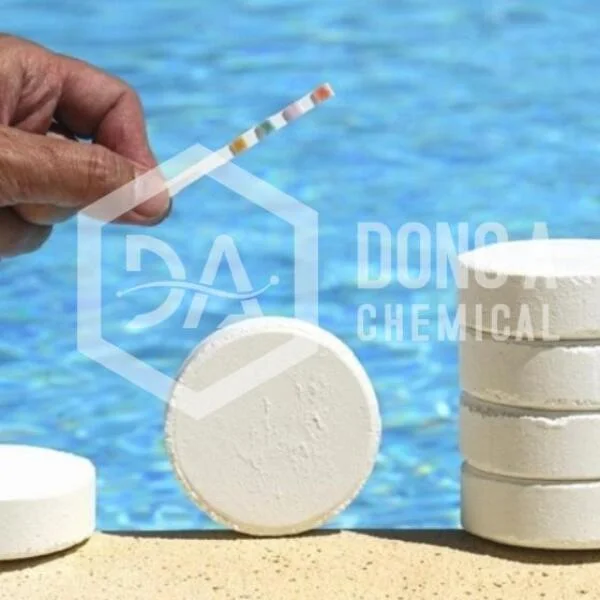
Chlorine Tablets: 8 Key Uses and Benefits for Pool Water Treatment
Chlorine tablets offer a convenient way to disinfect swimming pool water and maintain a chlorine ...
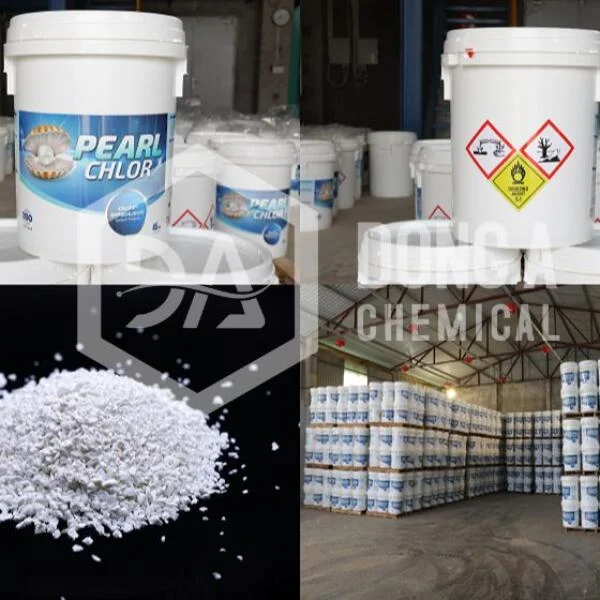
Calcium Hypochlorite Price in September 2026: HS Code 28281000
How much does calcium hypochlorite cost per kilogram or per drum? The answer depends on its ...
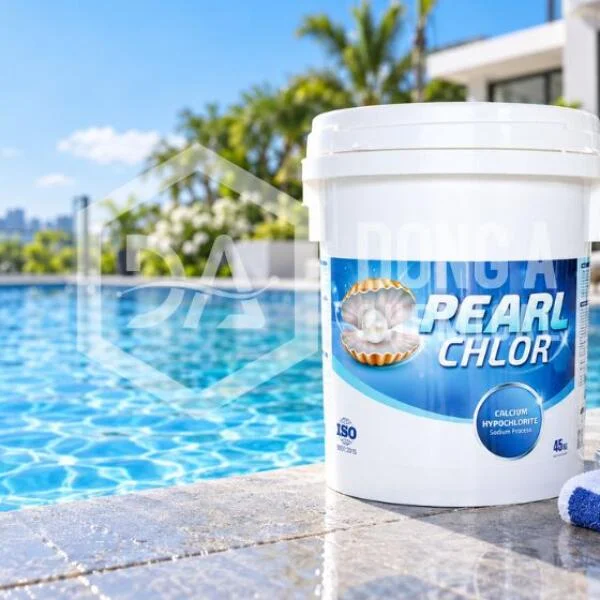
How to Mix Chlorine to Disinfect a Home Swimming Pool
Chlorine is widely used to disinfect and treat wastewater, drinking water and swimming pool water. ...